A Melk day trip from Vienna is worth it when the abbey is the main attraction and you are happy to give it a substantial part of the day. It is less compelling on a very short Vienna visit when you still want several major city museums. In winter, the decisive details are the abbey's day-specific access rules and the library restoration programme, not just the train journey. [1][2]
What makes the journey different from another Vienna palace
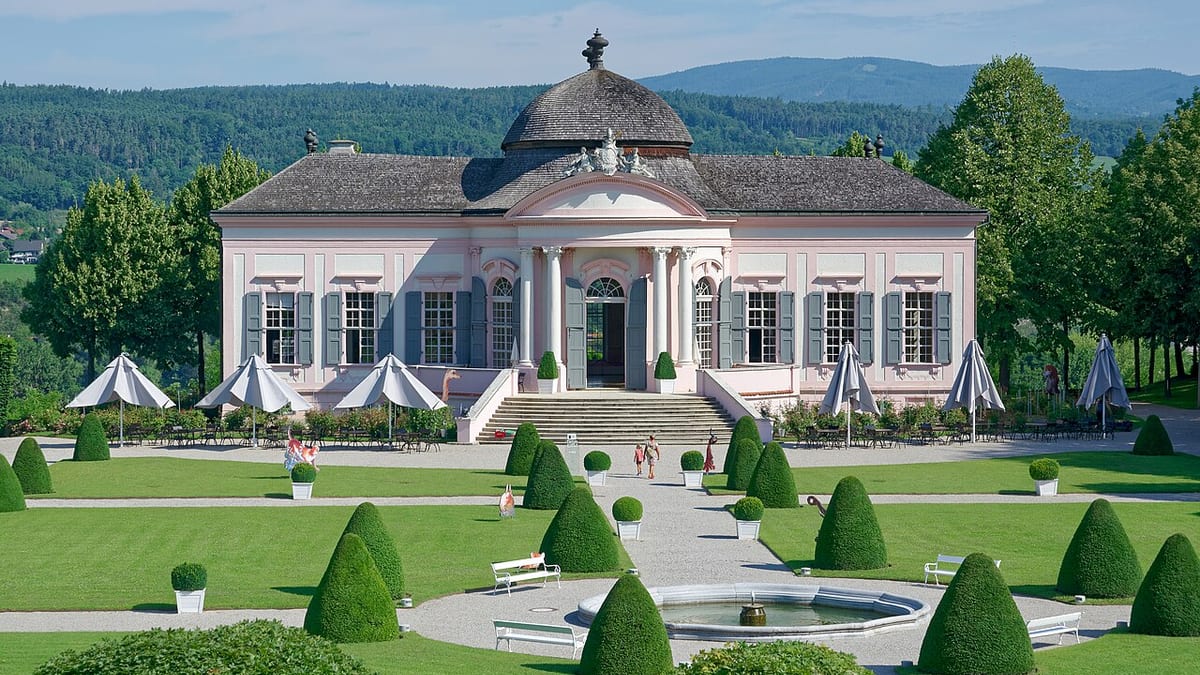
Melk combines a working monastic setting, a museum route, a church and a celebrated library within one hilltop complex. The abbey presents these as related parts of the visit, rather than as an isolated decorative room. That makes the trip particularly attractive to readers interested in religious history, books, architecture or the relationship between culture and a living institution. [3]
The value is not simply that the building is large or photogenic. A day outside Vienna changes the pace: the station approach, the town and the ascent to the abbey become part of the experience. Someone who enjoys seeing how an important building relates to its surroundings may find that more rewarding than adding another city-centre interior.
A visitor interested mainly in a single library photograph should be more cautious. The abbey's restoration programme covers the Baroque library rooms in 2026–2027, including decorative and structural elements. That does not by itself prove that the entire library or abbey is closed, but it means an unobstructed presentation of every famous view should not be assumed. [2]
If that one room determines whether you would make the journey, ask the abbey about its current presentation before buying transport. If your interest is broader, assess the whole available visit rather than rejecting the entire destination because conservation work is taking place.
Winter access has an important weekend exception
For 2 November 2026 to 6 January 2027, the abbey's published standard programme distinguishes ordinary weekdays from weekends and the Christmas holiday period. On ordinary Monday–Friday dates, individual visits are guided at 11:00, 13:30 and 15:00. Weekends and the specified holiday period allow independent as well as guided visits during the published daytime window. [1]
This means "Melk is guided-only all winter" is too broad, but "you can turn up whenever you like" is equally misleading. The date matters. A weekday traveller should build the train plan around a confirmed tour, while a weekend visitor may have greater freedom to move at an individual pace.
Christmas Eve and the period after 6 January have separate conditions. The official programme lists only an 11:00 guided visit on 24 December and guided-only visits from 7 January to 5 March 2027. Treat those as specific seasonal arrangements, not a permanent rule for every year. [1]
Allow time to arrive, find the entrance and deal with tickets before the tour. A train reaching Melk a few minutes before a guided start is not a useful connection merely because the station and abbey are in the same town.
The train makes an independent visit practical
The abbey's own arrival information confirms regular rail connections from Vienna and St Pölten and describes a walk of approximately ten to fifteen minutes from Melk station through the town to the main entrance. That is the operator's walking estimate; add more time when you have luggage, limited mobility or want to stop on the way. [4]
Search the actual Vienna departure station and date. Some journeys are direct, while others involve a change; a ticket to St Pölten alone is not a ticket all the way to Melk. The regional cultural organisation's transport guidance also distinguishes direct ÖBB connections from journeys using WESTbahn with a regional connection. [5]
For a relaxed independent day, choose a morning arrival, visit the abbey, eat in town and retain a flexible return. You do not need to add another destination simply because the railway makes one possible. The abbey visit and a slower look at Melk can be a complete outing.
A guided excursion is more attractive when you want the transport organised, several stops explained or a particular combination unavailable conveniently on your own. Compare the included admissions and time inside the abbey with the independent plan. A long list of stops can mean less time at the place that motivated the trip.
Price the experience you will actually buy
The abbey's published adult admission is €16, with a €4 supplement for a guided tour in the listed 2026–2027 price period. On that basis, a guided adult visit is €20 before transport and food. This is a simple calculation from the stated components, not a price for a complete day trip from Vienna. [1]
For two adults, the same admission calculation is €40 with guided tours. Add the actual rail quote for your dates rather than an invented average fare. A discounted advance rail ticket, a flexible ticket and an organised excursion have different cancellation and timing conditions, so the lowest headline amount is not always the best comparison.
Families should inspect the abbey's family-ticket definition instead of multiplying an adult rate by the number of people. Groups and students also have distinct published categories. Carry the required evidence for a concession rather than relying on age or student status being accepted without documentation. [1]
The park is seasonal and is not an automatic winter component of the visit. The published 2026 park season ended on 31 October. A November traveller should assess the indoor visit and town, rather than attaching the value of a summer garden programme to the ticket. [1]
Should you add a Wachau boat trip?
A boat can make a warm-season outing feel more like a landscape journey, but it also lengthens the day and ties you to another timetable. The regional tourism information describes DDSG's Wachau services as seasonal, so an ordinary winter visit should not assume a regular sightseeing boat is available. [6]
Even in the operating season, decide which experience matters most. If it is the abbey, give that visit the best part of your attention and choose the boat only when the connections work comfortably. If it is the river landscape, a different itinerary with fewer indoor commitments may be the better design.
For a first Vienna trip of only two full days, I would usually keep both days in the city unless Melk is a particular personal priority. With a longer stay, it becomes a more natural contrast. That recommendation reflects the opportunity cost of a day, not a claim that one destination is objectively superior.
The strongest Melk plan is therefore focused: a suitable train, an abbey visit that matches the season, time in town and a realistic return. Go because the monastery and its setting interest you. Do not go merely because a generic list says every visitor must leave Vienna for the Wachau.