Schönbrunn Zoo is worth visiting when animals are a genuine priority and you can give the collection a substantial part of the day. It is not an ideal last-minute addition after an exhausting palace itinerary. Compare the correct ticket categories, enter by a route suited to your mobility and use the season's opening hours to decide how much else belongs in the same day. [1][3]
Choose a zoo day rather than an attraction to squeeze in
The zoo's setting within Schönbrunn creates an obvious temptation to combine palace rooms, gardens, greenhouses and animals in one visit. They are close enough to share a destination, but they require different kinds of attention. A zoo visit involves repeated stops, changing animal activity and more flexibility than a timed palace tour.
For families, that flexibility can be the main advantage. Children may remain interested in one enclosure much longer than expected, while another carefully selected highlight may hold little appeal. Build the day around a few priorities and leave room for discovery rather than measuring success by whether every enclosure was passed.
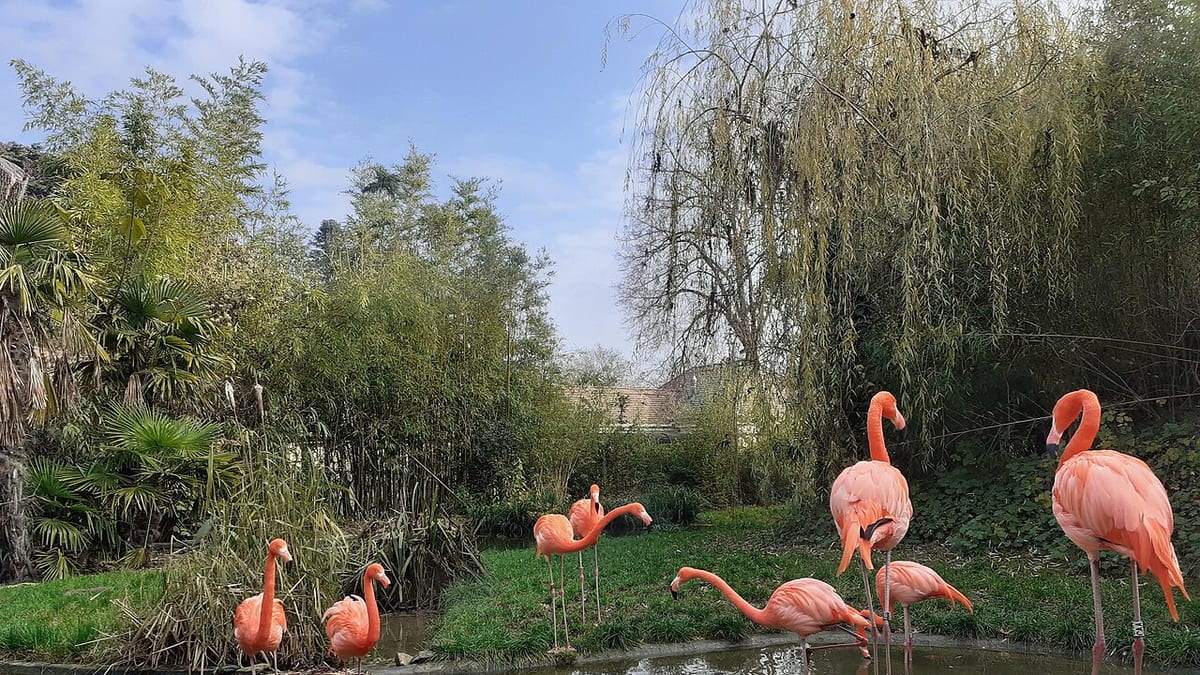
Adults with a particular interest in animals should use the same principle. Choose the species or habitats that matter most and visit them while you have energy to observe. Standing quietly for a few minutes often reveals more than moving rapidly between signs and photographs.
The zoo publishes information about its conservation work in the wild. That provides a useful basis for understanding specific projects, but it should not be turned into a claim that buying a ticket resolves every ethical question about keeping animals. Read the work described and make your own judgment about whether the visit aligns with your interests and values. [4]
Winter hours make an early arrival more valuable
In November, the published opening period is 09:00–16:30. Last admission is half an hour before closing, and animal houses begin closing earlier than the final exit deadline. A ticket bought late in the day therefore does not provide the same opportunity as one used in the morning. [1]
Plan the most important indoor habitats before their closing sequence begins. Save a simple outdoor route toward the exit for the end, rather than discovering that a key house has already closed while you were eating or crossing the grounds.
The zoo says it does not offer a half-day ticket. This matters when comparing an afternoon visit with another activity: arriving later does not automatically make the admission cheaper. A shorter visit can still be worthwhile for a focused enthusiast, but it should be chosen knowingly. [2]
For a winter family outing, keep indoor breaks in mind without assuming that every animal will be visible. Living collections are not performances with a guaranteed appearance by each species. Weather, animal care and individual behavior can affect what you see, so a varied route is more resilient than a day built around one photograph.
Compare the party total rather than buying a family label automatically
The zoo lists standard adult admission at €29 and a €17 child rate for ages six to eighteen; children under six enter free. Its published family product costs €96 and covers two adults and three children in the eligible category, with conditions allowing the tickets to be used separately within the stated validity. [1]
For two adults and one paying child, ordinary admission totals €75. For two adults and two paying children, it totals €92. In those examples, the €96 family product is not the cheaper choice unless its additional entitlement is genuinely useful. These are calculations from the listed rates, not special offers.
With three paying children, the individual total becomes €109, making the listed family product €13 less expensive. The relevant comparison is therefore your actual group, including children's ages, rather than the fact that you are traveling as a family.
The FAQ also states that there are no general student or senior discounts. Do not build a budget around a concession merely because another Vienna museum offers one. Any special entitlement should be checked against the zoo's own rules. [2]
The entrance you choose changes the physical effort
The zoo's main approach is associated with Hietzing and the U4 station, while another entrance lies higher up near the Tirolergarten. The operator warns that the upper approach is steep and is not suitable for wheelchair access. A map that offers the shortest line can therefore suggest the wrong entrance for your needs. [3]
Save the intended gate rather than only the zoo's name. This is especially important when arriving after walking through the palace grounds, because the most obvious nearby gate may not be the best one for a stroller, wheelchair or tired companion.
Discuss access requirements with the zoo when you need a particular route or facility. The FAQ describes accessible toilets using a Eurokey system and other practical provisions, but the grounds themselves still require route choices. An accessible attraction does not mean every path has the same gradient. [2]
For an ordinary walking visit, resist beginning with the longest climb simply because it appears first on a map. Put your priority animals into a workable sequence, then decide whether the upper section fits the group's remaining energy.
Keep the Desert House and other Schönbrunn tickets separate
The zoo's admission information distinguishes the main zoo from additional products and annual-pass benefits. The neighboring Desert House is not automatically included with every standard zoo ticket, even though some pass products include it. Read the exact entitlement instead of assuming that physical proximity means shared admission. [1]
The same principle applies to the palace and other Schönbrunn attractions. A combination can be worthwhile when it covers activities you independently want, but it can also create pressure to rush through a zoo visit to use every purchased entry.
A practical choice is to make either the zoo or the palace the day's main event. Add a short garden walk afterward if energy allows. Visitors staying longer in Vienna can separate the two into different days and enjoy both more fully.
Re-entry arrangements are another detail worth understanding. The zoo describes a stamp procedure for visitors who need to leave and return. Ask before exiting, rather than assuming a scanned ticket can always be reused without that step. [2]
What makes the visit worthwhile?
For an animal enthusiast, the reward is sustained observation across varied habitats, supported by the zoo's interpretation and conservation information. For a family, it may be the opportunity to follow children's interests in a setting less rigid than a guided interior tour. Neither benefit requires completing the entire map.
Choose a few priorities, compare the correct ticket total and arrive with enough daylight to avoid rushing. Bring clothing and footwear for outdoor walking, and allow the group to change pace when needed. Those decisions usually matter more than an ambitious list of every species you hope to see.
Skip the zoo when your Vienna time is very limited and your main interests lie elsewhere. Choose it confidently when animals are one of the reasons for the trip. Its value depends less on being universally essential than on receiving the time and attention that a living collection deserves.