Choose Vienna's university Botanical Garden for a free outdoor plant-focused visit, Schönbrunn's Palm House for historic greenhouse architecture, and the neighboring Desert House for plants and animals adapted to dry environments. The Alpine Garden near Belvedere is a separate seasonal collection. Do not assume that one palace, zoo or garden ticket automatically covers every botanical attraction nearby. [1][3][5][6]
The university garden is the easiest low-cost choice
The Botanical Garden of the University of Vienna lies beside Belvedere in the third district. The university describes free admission and a collection that supports a plant-focused visit rather than a conventional palace-garden stroll. It is a particularly useful choice when you want time outdoors without buying another major attraction ticket. [1]
Approach it as a collection to explore slowly. Choose a few plants or sections that interest you and read their labels instead of trying to identify every species. A botanical visit becomes more engaging when you compare differences in leaf shape, growth habit or habitat rather than counting how much of the map you have covered.
The main visitor entrance is at Mechelgasse 2. The university publishes seasonal hours, including 10:00–16:00 in November and December, and a closure from 24 December through 6 January. Secondary entrances have different opening and closing offsets. That means a route through the garden is not a dependable late-evening shortcut. [2]
Weather closures are also possible. In practical terms, combine the garden with a nearby indoor activity rather than making it the only fixed appointment on a day of severe weather. The university's detailed entrance page is more useful than a generic map listing when deciding whether you can enter or exit at a particular gate. [2]
Belvedere's formal gardens are not the same collection
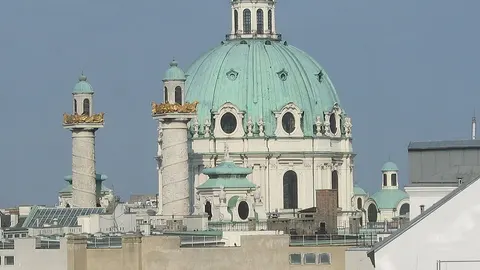
The Belvedere grounds, university Botanical Garden and Alpine Garden sit close enough together to be confused in visitor descriptions, but they have different purposes and management. Belvedere's own garden information distinguishes the formal palace landscape from the neighboring botanical collections. [7]
Choose the palace gardens when the architecture, terraces and axial views are your main interests. Choose the university garden when you want to examine plants. Combining the two can be rewarding precisely because they are different, not because they are two entrances to one identical experience.
For a manageable half-day, place any timed museum admission first in the plan, then add an outdoor section before or afterward according to the light and opening hours. Avoid a sequence that requires leaving a paid gallery early simply to reach a garden gate before closing.
A traveler who has already spent several hours in art galleries may prefer a short botanical walk rather than another detailed collection. Someone coming specifically for horticulture should do the reverse and preserve the best part of the day for the plants. The useful question is where your attention will be strongest.
Schönbrunn Palm House: architecture and living collections
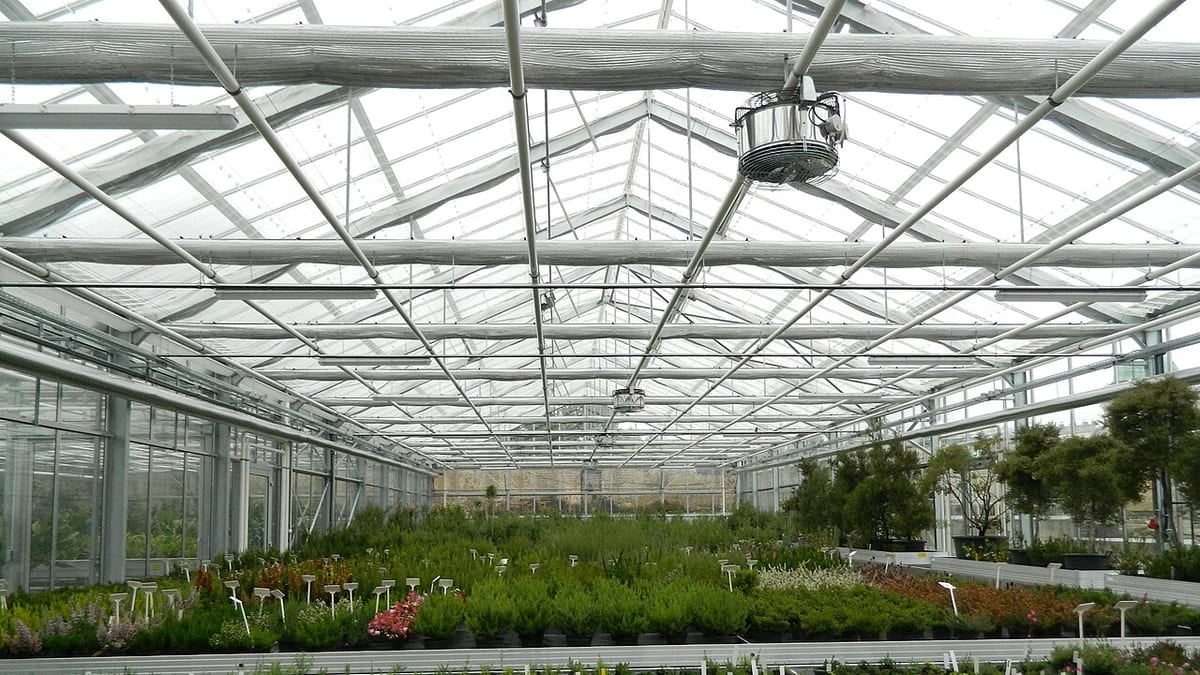
The Great Palm House is a historic iron-and-glass structure in the Schönbrunn grounds, opened in 1882. The Federal Gardens' account explains both its construction and later restoration. It is worth choosing when the building itself matters to you as well as the plants inside. [3]
Look at the greenhouse as a designed environment: how the framework spans the interior, how planting occupies different heights, and how the experience changes between spaces. You do not need specialist botanical knowledge to appreciate that relationship between engineering and cultivation.
The operator lists year-round opening, generally 10:00–18:00 from May through September and 10:00–17:00 from October through April, with last admission half an hour earlier. Christmas Eve has a shorter schedule. These are the Palm House's hours, not a promise that the entire Schönbrunn estate or every neighboring attraction follows them. [4]
For a cool-weather visit, the greenhouse is an appealing anchor, but the journey between entrances still includes outdoor walking. Dress for the whole itinerary rather than only the indoor destination. Give a camera or glasses time to adjust if condensation becomes an issue instead of wiping lenses repeatedly while moving through the entrance.
Add the Desert House for a different biological story
The Desert House stands opposite the Palm House near the zoo's Hietzing entrance. Vienna Zoo explicitly says it is not part of the main zoo and has its own admission prices and opening times. Its exhibits combine dry-environment plants with animals, emphasizing how life adapts to those conditions. [5]
That makes it a good complement to a plant-only visit, especially for a mixed-interest group. One person may focus on the vegetation while another responds more to the animals and habitat displays. It is not simply a smaller version of the Palm House, and buying both should reflect that difference.
Compare the available individual and combination products before paying. Read exactly which locations are included and whether the product has a time or date condition. A discount is only useful when you would otherwise choose all the included visits; buying an extra attraction to "save" money can still increase the day's spending.
Keep the main zoo as a separate decision. A serious zoo visit can absorb much of a day, while a greenhouse-focused outing has a different pace. Adding a full zoo circuit after two botanical attractions may leave little attention for any of them.
The Alpine Garden rewards a specialist visit
The Federal Gardens describe the Belvedere Alpine Garden as a collection of mountain plants with a conservation role. Its compact area and specialist focus make it relevant to gardeners and travelers interested in alpine habitats, rather than automatically essential for everyone visiting the palace. [6]
There is an important verification limit: the operator page retrieved during research still displayed a 2025 seasonal calendar. Those dates should not be silently relabeled as the 2026 or 2027 season. Confirm the current opening period directly before building a visit around it, particularly outside spring and summer. [6]
This does not diminish the collection's value; it changes how firmly it belongs in your itinerary. Keep it as a confirmed seasonal addition, not as an assumed year-round alternative on a wet November afternoon.
Two workable ways to organize the day
For a central, lower-cost outing, combine a university-garden visit with the Belvedere exterior landscape, adding a paid museum only if art is a priority. For a greenhouse-focused day, go to the Schönbrunn side and choose the Palm House, Desert House or both. These are editorial routes that minimize unnecessary movement between distinct areas.
A visitor with one free hour should choose one collection and enjoy it properly. A visitor with a longer afternoon can compare two environments, but should still leave time to read labels and sit rather than treating gardens as passages between ticket counters.
Finally, respect the difference between a public recreation park and a living collection. Follow marked paths, leave plant material in place and use the garden's own rules for activities and equipment. The best souvenir is a new idea or a photograph of a plant label - not a cutting, seed or specimen taken from the display.