The Wachau is most rewarding when you choose one way to experience the landscape: a riverside journey, a vineyard walk or a visit built around a particular town. Spring blossom, summer fruit and autumn vineyards are different reasons to go, not interchangeable versions of one "best season." Match the activity to the actual transport calendar and leave enough time to enjoy the scenery outside a vehicle. [1] [2] [3]
Decide what kind of view you want
A river-level view emphasizes the relationship between the water, towns and slopes. A walking route above the river provides a broader perspective but requires more time and effort. A train or boat journey offers a moving sequence of views, while a town-based visit allows you to stop, eat and look more closely.
None is automatically superior. Travelers with limited time or mobility may prefer a compact town visit and a short waterside walk. Someone who enjoys hiking may find a longer trail more satisfying than visiting several towns in quick succession. The landscape should shape the day rather than become a background seen only between appointments.
Lower Austria's official destination information provides the broad Wachau context. Use it to choose the type of outing, then move to the responsible transport or trail source for the operational details. A regional tourism description cannot by itself confirm a particular boat departure or a trail's suitability for your group. [1]
Blossom and apricot harvest are not the same visit
The region's official apricot information distinguishes the spring blossom period from the later fruit harvest. Blossom commonly falls around late March and early April, but its timing depends on conditions and can vary. An attractive photograph from one year is not a reliable appointment for the same date in the next year. [2]
Plan a blossom-focused trip with some flexibility. Use current regional updates close to departure rather than booking a rigid itinerary solely around a generic month label. If the flowers are the principal reason for traveling, consider whether you can adjust the day within your stay.
The harvest is a separate seasonal interest, associated with summer fruit rather than spring flowers. Visiting during blossom does not mean fresh local apricots will be ready to buy from that year's crop. Likewise, a summer trip can be worthwhile for food and scenery without reproducing the pale flowering landscape shown in spring promotion. [3]
This distinction helps set expectations for children and food-focused travelers. Be clear whether you are going to see trees in flower, explore a fruit-growing landscape or look for seasonal produce. Each can make a good visit, but the activities should follow the season that actually exists.
Walking routes require more than a scenic label
A well-known Wachau walking connection between Krems and Dürnstein is approximately 12.4 kilometers and is described with an estimated walking time of around four and a half hours. That is a substantial part of a day, not a short stroll to insert between lunch and a boat departure. [4]
Treat the published duration as route guidance rather than a guarantee for every walker. Stops, navigation, surface conditions and personal pace all affect the time required. A trip that includes photography and a relaxed meal needs more space than the bare walking estimate.
Check the route's ascent and surface as well as its length. A vineyard or hillside path can demand more effort than a flat riverside distance of the same size. Choose footwear and equipment for the actual trail, and keep an easier alternative when the conditions or the group make the longer route unattractive.
For a first visit, it can be better to walk one suitable section well than to combine a long trail with an ambitious list of towns. The point of hiking in the Wachau is to spend time in the landscape, not to race through it in order to reach the next transport connection.
Trains and boats have their own seasons
The Wachau Railway publishes a seasonal timetable, while DDSG lists its river services separately. Their operating calendars are part of the planning decision. Do not assume that a service available during the main visitor season runs daily through November and winter. [5] [6]
A scenic train ride and a boat trip also offer different viewpoints and different opportunities to get off. Read the stopping pattern and ticket conditions before combining them. A ticket described as a sightseeing product may not provide the flexible hop-on arrangement you imagine.
The railway's geography matters. A service toward Emmersdorf does not place you automatically in Melk on the opposite side of the river. Build the final connection into the plan rather than allowing a famous destination name to conceal a transfer. The operator's timetable and route information should settle the actual stopping points. [5]
Special Advent services, where advertised, should be treated as separate dated offers rather than evidence of a full winter timetable. A festive excursion can be an enjoyable reason to go, but its limited dates and route need to match your visit. [7]
Choose a season according to your priorities
Spring is a good season to investigate blossom and a landscape beginning to change, provided the specific timing matters less than a guaranteed photograph. Summer offers the opportunity to plan around the fruit season and the published excursion services. Autumn suits a visit focused on vineyards and a slower outdoor day, but shortening daylight makes an overfilled route less forgiving. [2] [3] [5] [6]
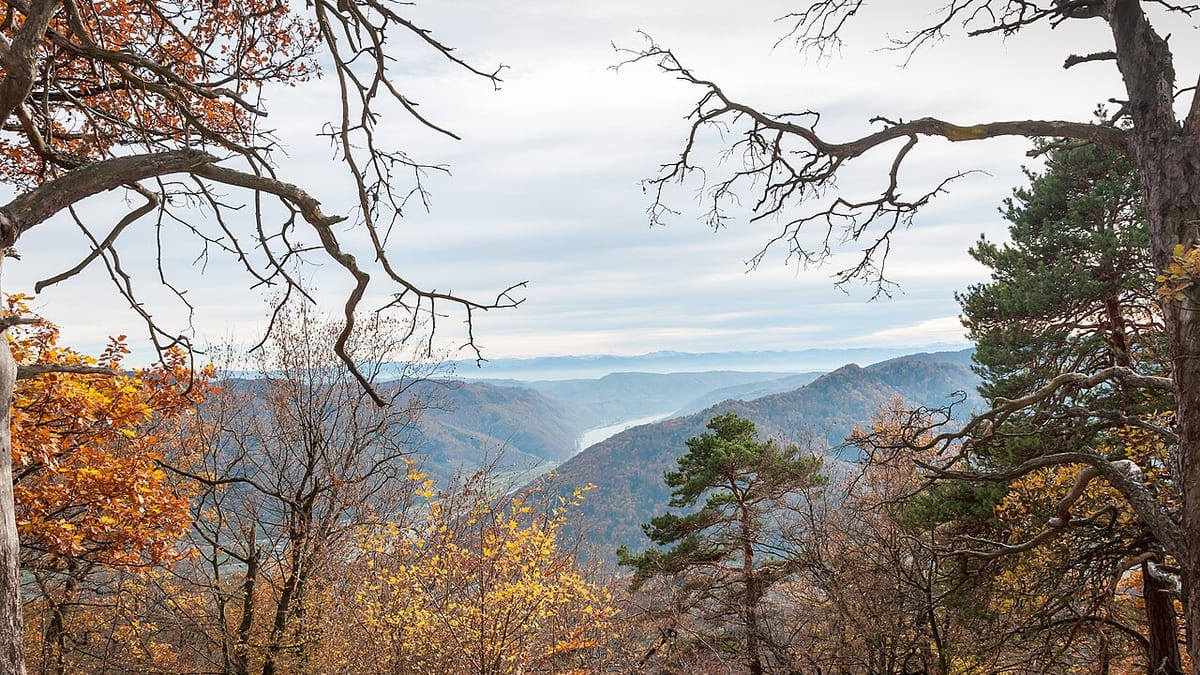
Do not promise yourself a particular color display on a fixed date. Seasonal appearance depends on the year, location and weather. It is more robust to choose a town and route you would enjoy even if the leaves are less dramatic than expected.
For a late-autumn visit, place the principal outdoor activity first and use a meal or indoor attraction as the later part of the day. Avoid leaving an unfamiliar hillside descent until you are hurrying for the final return service. A modest route with a clear exit is preferable to a longer one selected mainly because it looked impressive on a map.
Make the first trip coherent rather than comprehensive
Choose one anchor town and one main scenic activity. For example, a Dürnstein-focused visit can pair time in the town with a manageable walk, while a rail or boat outing can make the journey itself the central attraction. Add another destination only when the current timetable leaves room to enjoy both.
Keep the return plan visible from the beginning. Note the intended departure, a sensible backup and any separate crossing or local connection. That information allows you to relax during the visit instead of discovering late in the day that the final link was never included in the original plan.
The Wachau's appeal does not depend on completing every famous town in one outing. It comes from seeing how the river, settlements and cultivated slopes fit together. Select the season and transport that support that experience, then give yourself permission to stay in one good place long enough to notice it.