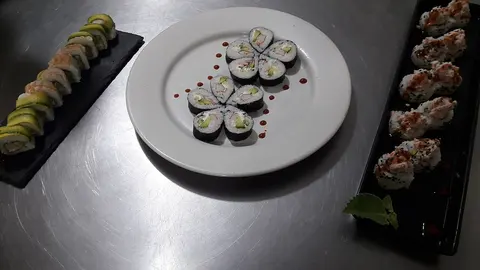
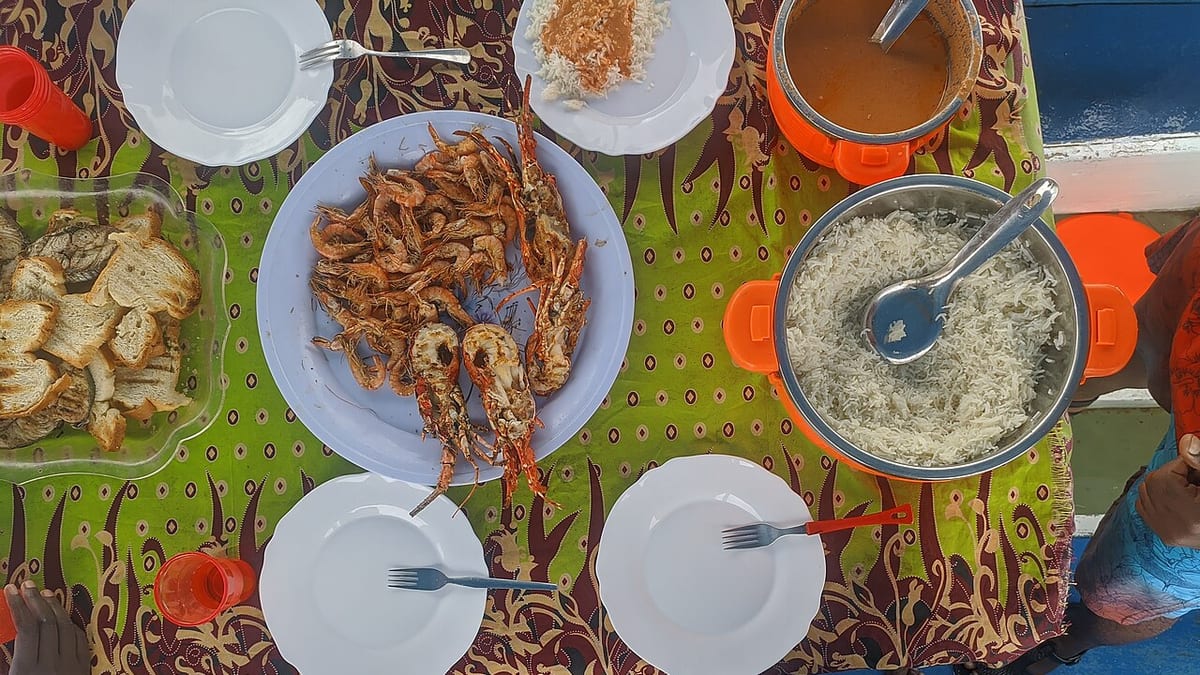
For seafood in Vienna, choose the restaurant according to the kind of evening you want: Umar for a Naschmarkt-focused visit, Kornat for a central restaurant occasion, Konoba for a Dalmatian-style dinner and Takan for a neighborhood outing. Their locations and service patterns differ, so the best option is not necessarily the one nearest the first fish counter you see. [1] [2] [3] [4]
A specialist restaurant is more than a fish display
The selections here are based on the restaurants' own information, menus and operating arrangements, not a claim of firsthand tasting. They offer different ways to organize a seafood meal. A market-area restaurant, a central dining room and a neighborhood venue should be compared through the actual order and the practical journey, not simply grouped under one "best seafood" label.
Decide whether you want a complete main course, a whole fish to share or several smaller dishes. Those choices affect the price, pace and amount of food. A displayed fish can be appealing, but the staff still need to explain how it will be prepared and what the quoted price includes.
For a group, agree on the spending level before discussing a large sharing order. That prevents a single enthusiastic diner from choosing a fish whose weight creates a bill the rest of the table did not expect. Asking for the estimated total is a normal part of making an informed order.
Umar: fit the restaurant into a Naschmarkt visit
Umar's official information distinguishes its restaurant operation from the wider fish business. The restaurant lists a Monday-to-Saturday service pattern and identifies a winter Sunday closure. A market's general activity should therefore not be used as proof that the restaurant is serving whenever you arrive. [1]
Choose Umar when the Naschmarkt area is already part of the day and you want the seafood meal to be the principal stop there. It can be more practical to reserve the restaurant first and browse around that time than to wander for hours and assume an appropriate table will be available exactly when everyone becomes hungry.
A restaurant meal and buying fish from a counter are different purchases. Confirm that the menu and address you are viewing refer to the dining experience you want. That is especially important when search results mix restaurant pages, shop information and customer photographs.
For lunch, leave enough time to order deliberately rather than making the restaurant a rushed gap between two timed attractions. Seafood chosen by discussion or weight is not the same format as collecting a preordered snack.
Kornat: a central option for a planned dinner
Kornat's own restaurant information is the appropriate starting point for its current menu and reservations. Its central location makes it a candidate when you want to remain in the inner-city area for an evening rather than add another journey after sightseeing. [2]
Use the live menu or ask the restaurant directly when a particular dish or price is important. An inaccessible or incomplete online menu is not a reason to invent a current seafood price from an old review. For a special occasion, obtaining a written outline of the likely meal is more useful than relying on an undated photograph.
A central restaurant can be the better choice even when another option appears marginally cheaper, because the location may fit your concert, hotel or other plans. That convenience should be evaluated honestly rather than confused with a claim that central addresses guarantee better cooking.
For a long dinner, give the meal the space it needs. Do not reserve an elaborate restaurant experience and then expect it to behave like a quick lunch because a performance starts soon afterward. Ask what ordering format fits the time available.
Konoba: a Dalmatian-focused evening rather than a midday assumption
Konoba's official information describes its Dalmatian food and wine focus and places the restaurant at Lerchenfelder Straße 66–68. Its published service pattern is evening-led, with Monday-to-Saturday opening from 17:00. That makes it a dinner recommendation, not a place to assume will solve a spontaneous weekday lunch. [3]
Read the current selection before deciding whether to order individual plates or share. A fish-centered menu can be particularly enjoyable when the table wants to compare preparations, but sharing still requires a clear understanding of portion size and accompaniments.
Ask which parts of the order are fixed-menu items and which depend on the day's fish. A daily selection can be an advantage, but it also means a dish mentioned in an older article may not be available. Choose the restaurant for its style of meal rather than traveling across the city for one unconfirmed item.
The location can also be useful for a different kind of evening from an old-city dinner. Consider the whole route, including how you will return, rather than treating the restaurant as an isolated pin on a map.
Takan: identify the restaurant, not only the brand
Takan's official information separates its restaurant on Haizingergasse from its market-related operation. The restaurant publishes a Tuesday-to-Saturday evening pattern. A reference to the brand or to Kutschkermarkt does not automatically describe the same address, menu or service. [4]
This is a good example of why a restaurant recommendation should contain a precise location. Save the address from the actual booking page and confirm the service you are attending. Otherwise, a perfectly valid recommendation can still lead to the wrong experience.
The neighborhood setting makes it worth considering when you want dinner to take you beyond the most familiar central circuit. It is less useful when you are already short of time before an event elsewhere. Match the journey to the importance of the meal in your day.
Do not interpret a venue's late closing time as a guarantee that the kitchen accepts new orders until that minute. Ask about the final food order when planning a late arrival. The time a dining room remains open and the time it stops cooking are separate pieces of information.
Compare weight, sides and the complete price
When a fish is sold by weight, request the actual weight and estimated total before preparation. Establish whether the quoted rate concerns the whole fish or a prepared portion, and whether cooking, sauce and sides are included. These questions matter more than comparing two isolated per-kilogram figures.
For shellfish, check whether the menu prices an individual piece, a portion or a sharing platter. A plate described as mixed can vary substantially in composition. Ask what it contains when your preference is specifically for prawns, oysters or another ingredient.
Dietary restrictions should be communicated directly. A fish dish may contain butter, cream, wheat or another ingredient in its sauce or accompaniment, and a short menu name is not an allergen guarantee. For a serious allergy, ask about cross-contact as well as the visible ingredients.
Choose Umar for a market-area meal, Kornat for a central occasion, Konoba for its evening Dalmatian focus and the correct Takan venue for a neighborhood dinner. Then make the order explicit. The strongest seafood purchase is the one whose portion, preparation and final cost you understand before it reaches the table. [1] [2] [3] [4]